Commercial Solar Panel Cleaning Cost Calculator: Get an Instant Pricing Estimate
Thinking about cleaning your commercial solar panels but unsure how much it might cost? Getting a clear estimate can feel like a guessing game with so many factors involved—from the number of panels to how dirty they are and how hard they are to reach. That’s why we put together this guide, along with an easy-to-use online calculator, to help you quickly figure out what your cleaning might run. Understanding these costs upfront means no surprises later and helps you see how clean panels can actually save or make you money in the long run.
A Commercial Solar Panel Cleaning Cost Calculator is an online tool that estimates the expense of cleaning your solar panel system by considering variables such as the number of panels, site accessibility, and regional soiling conditions. It helps you understand potential energy losses due to dirty panels and calculates how professional cleaning can improve system performance and deliver a quick return on investment.
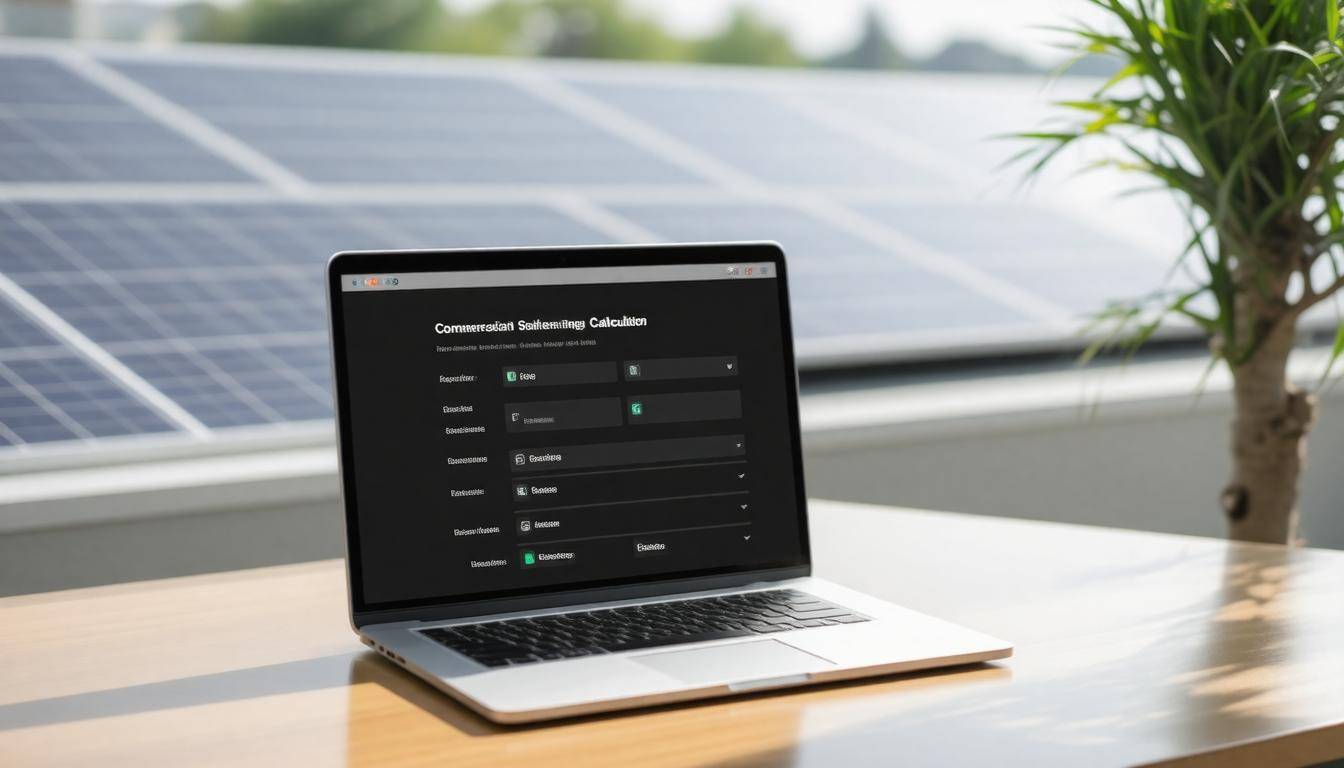
Using the Cleaning Cost Calculator
The beauty of a commercial solar panel cleaning cost calculator lies in its ability to turn complex variables into an immediate, bespoke estimate. When you visit our site at CommercialSolarClean.com, you’re prompted to enter straightforward details like the total capacity of your solar system, expressed in kilowatts (kW), which essentially measures how much power your panels can produce under ideal conditions.
This number is crucial because larger systems generally require more extensive cleaning efforts, and consequently, higher costs.
Next, adding your local electricity rate — basically the price you pay per kilowatt-hour (kWh) — allows the calculator to estimate how much energy loss dirty panels might be costing you. This step brings home the financial impact of neglect; it’s not just dirt on glass but lost revenue or savings slipping through the cracks.
Pairing these figures with information about the last time the panels were professionally cleaned creates a real-world context. Panels that haven’t been serviced for months typically harbor significant grime, dust, pollen, or mineral buildup, especially in regions like California’s Central Valley where environmental factors accelerate soiling.
Entering all this data lets the calculator apply regional labor costs and time requirements, considering accessibility challenges or additional services like minor repairs or inspections if needed.
It seamlessly integrates these variables into an instant price range, reflecting both the surface area to be cleaned and the human effort involved — from setup and ladder work to rinsing and drying with soft or deionized water to prevent mineral deposits.
Breaking Down the Estimate
| Factor | What It Means | Why It Matters |
|---|---|---|
| System Size (kW) | Total power capacity of your solar array | Larger systems require more cleaning time and resources |
| Electricity Rate ($/kWh) | Local cost you pay per unit of electricity | Helps quantify financial losses due to dirt and inefficiency |
| Last Cleaning Date | Time elapsed since last professional clean | Dirt accumulation increases exponentially over time |
| Accessibility Level | Ease of access to panels (roof type, height) | More difficult access raises labor costs and complexity |
| Additional Services | Extras like inspection, minor repairs | Adds value by spotting early damage and preventing future expenses |
This transparent breakdown helps property managers or business owners see exactly where money is going and why some quotes might differ — preventing surprises on the invoice by clarifying what drives cost fluctuations.
Moreover, seeing an instant return-on-investment (ROI) estimate empowers decision-making. You’re not only paying for routine cleaning but potentially reclaiming up to 30–40% lost efficiency caused by accumulated dust and grime.
In commercial applications where every kilowatt counts, even small efficiency gains translate into significant earnings over a year. This tool helps spot when cleaning might pay for itself sooner than expected — turning maintenance into an investment rather than just a periodic expense.
To maximize accuracy when using the calculator, always ensure precise data entry: know your panel types (such as monocrystalline or thin-film), count exact numbers of panels, and honestly assess accessibility challenges. Overlooking these details risks underestimating true costs or missing potential savings from tailored service plans.
“The Commercial Solar Panel Cleaning Cost Calculator bridges the gap between guessing and knowing—offering instant clarity on what maintaining a clean system really costs.”
Now that you understand how this smart tool provides instant price estimates, it’s crucial to recognize the various elements that influence those costs and affect your solar system’s overall efficiency and lifespan.
Key Factors Affecting Costs
The size of your solar panel system is usually the biggest driver of cleaning costs. Larger arrays naturally require more time and materials to clean thoroughly.
For example, a small system with fewer than 15 panels often fits into a modest maintenance budget around $225 to $375 annually. But as you move into medium or large installations—think 20 panels or more—the complexity grows, and so do the costs, sometimes topping $750 a year.
This isn’t just about surface area; bigger systems may have intricate wiring and mounting setups that demand careful handling.
Soiling levels play an equally crucial role in determining how much cleaning will cost. Panels exposed to heavy dust, pollen, bird droppings, or industrial pollution accumulate dirt faster and need more frequent visits to keep them operating at peak efficiency.
In regions like California’s Central Valley, uncleaned panels can dip in energy output by up to 40% within six months. That means the cost of neglecting cleaning can quickly outweigh the expense of regular maintenance—not just in dollars but in lost energy savings.
Accessibility also factors significantly into pricing. Roof-mounted panels pose logistical challenges; safety measures and special equipment add labor time and costs.
On the other hand, ground-mounted arrays might be easier to reach but often cover larger areas, requiring extended cleaning efforts. Each site demands its own approach, influencing both the labor involved and the final bill.
Labor rates vary widely between urban hubs and rural settings — city areas tend to have higher wages but also more service provider options competing for business, which can drive prices down or provide better package deals.
Meanwhile, remote locations could face travel surcharges or limited scheduling flexibility, increasing overall expenses.
The type of cleaning service you choose also matters. Routine cleaning usually tackles surface grime and straightforward debris removal and fits into the $200–$500 range per visit.
Deep cleans—perhaps involving rust removal or crack patching—push prices higher due to their intricate nature and additional materials needed.
Ongoing maintenance contracts can help moderate costs by bundling services into predictable annual fees, often with discounted rates compared to one-off cleanings.
“Regular upkeep is not just a maintenance task—it’s an investment in your system’s longevity and performance.”
To get the most value from your commercial solar panel cleaning, consider scheduling cleanings based on your local environment’s demands, panel type (monocrystalline require less attention than thin-film), and system accessibility.
Bundling inspections with cleaning can catch minor issues early, potentially saving thousands later on inverter replacements or repairs.
Understanding these cost drivers allows you to make informed decisions that optimize both expenditure and efficiency. As we focus on maximizing your solar setup's value, it’s equally important to grasp how keeping panels spotless translates into economic gains from cleaner energy production.
Economic Benefits of Clean Panels
Cleaner solar panels aren't just about aesthetics—they play a crucial role in ensuring your system operates at peak efficiency. Dirt, dust, bird droppings, and pollution can build up on panel surfaces, blocking sunlight and reducing the amount of electricity generated. In fact, studies show that panels covered with grime can suffer energy losses of up to 25%. This means one in every four units of potential power simply vanish due to neglect. For commercial installations where every kilowatt-hour counts, this loss quickly translates into revenue slipping through the cracks.
Imagine running a powerhouse solar farm like those sprawling facilities across sunny states such as Arizona or California. A recent case involved a commercial array in Arizona where a professional cleaning led to a remarkable 20% jump in energy output. The math here is compelling—investing in regular cleaning services paid off almost immediately by increasing the usable power fed into the grid and ultimately improving the return on investment (ROI) for that system’s owners. This example highlights how even a straightforward maintenance step can elevate financial performance without changing hardware or adding new panels.
From personal experience and industry data alike, I recommend scheduling regular cleaning intervals tailored to your environment. Dusty desert regions may require monthly attention, while areas with more rainfall might stretch that timeline out longer. Automated robotic cleaners are also gaining traction because they reduce labor costs and maintain consistent cleanliness—a smart strategy particularly for large utility-scale installations.
Beyond energy production gains, clean panels extend asset lifespan by preventing corrosive buildup and shading damage. Contaminants left unchecked degrade protective coatings over time and create hot spots that stress cells unevenly. Prevention here is truly better than cure; spending on cleaning today avoids costly panel replacements or repairs years down the road.
| Benefit | Impact Description | Financial Implication |
|---|---|---|
| Increased Energy Output | Up to 25% lift in electricity generation | Higher revenue from selling power |
| Improved ROI | Faster payback period on solar investments | More profitable asset performance |
| Extended Panel Lifespan | Reduced degradation & hot spot formation | Lower replacement & repair expenses |
| Protected Warranty Validity | Meeting maintenance requirements | Avoid voiding manufacturer warranties |
| Reduced Downtime | Preventing system malfunction due to soiling | More consistent cash flow |
With these economic advantages clear, it becomes evident that the upfront expense of professional cleaning services is not just an operational cost—it’s an investment yielding significant returns through heightened efficiency and durability. Understanding these benefits lays the groundwork for evaluating different cleaning approaches and deciding which best suits your solar assets' needs as we move forward to weigh the merits of self-service versus expert care.
Comparing DIY and Professional Services
Cleaning your commercial solar panels yourself might seem like a straightforward way to save money, but it quickly becomes clear that this approach has its limits. While the initial expenses are minimal—often just some gentle cleaning supplies and water—the real challenge lies in the lack of specialized equipment and knowledge. For instance, without soft brushes designed for photovoltaic surfaces or access to deionized water, DIY cleaning risks leaving behind mineral deposits or causing micro-abrasions that reduce your panels' efficiency over time.
Beyond equipment, safety also plays a crucial role: accessing rooftop panels without proper training and fall protection gear can lead to serious accidents.
On the flip side, professional services from experienced companies like Commercial Solar Clean offer a compelling value proposition. Technicians arrive equipped not only with the right tools—soft-bristle brushes, telescopic poles, and purified water systems—but also with a deep understanding of panel technology and cleaning protocols that safeguard your system’s warranty.
This expertise allows them to identify early signs of damage such as cracks or loose wiring during the cleaning process, something often overlooked in DIY attempts. Though the upfront cost is higher, these inspections can prevent costly repairs down the road and optimize energy production by ensuring every panel receives a thorough and safe cleanse.
Another factor worth noting is the regularity and thoroughness of service. Professionals typically recommend annual comprehensive cleanings accompanied by periodic light washes depending on local environmental conditions like dust levels or pollen count.
By contrast, DIY cleaning schedules tend to be more sporadic due to time constraints or uncertainty about best practices, which can result in uneven panel performance and faster degradation.
The cost equation also extends beyond just dollars spent on cleaning supplies or service fees—it encompasses energy losses from dirty panels that go unnoticed when owners attempt quick fixes without professional advice.
Studies have shown that even a thin layer of dirt can decrease panel output by as much as 20%, impacting your commercial building’s electricity bills significantly over time. Thus, the true cost of skipping professional maintenance emerges gradually through lost revenue.
As one client shared from their experience with Commercial Solar Clean:
“The difference was immediate—our monitored energy production jumped by 15% after just one professional clean. That kind of improvement alone justified every penny.”
Such insights help businesses understand that investing in experts ultimately pays dividends far exceeding what simple DIY brushing can accomplish.
While DIY cleaning can serve as a stopgap to keep panels visually tidy between major maintenance intervals, it lacks the comprehensive care delivered by professional teams. When evaluating which option fits your business needs, remember to weigh not just immediate savings but long-term reliability, safety considerations, warranty compliance, and system optimization.
Budget sensibly by planning for at least one full professional cleaning annually—with supplemental minor cleanings done carefully by in-house personnel if desired—and maintain detailed records tracking all maintenance activities. This dual approach balances cost management with operational excellence, ensuring your commercial solar panel array stays efficient and durable year after year.
Understanding the differences in cleaning approaches naturally leads us to considering how best to allocate resources effectively. Careful financial planning becomes critical as you forecast ongoing upkeep costs for maximum system performance.
Budgeting for Cleaning Expenses

When planning your solar panel cleaning expenses, it’s essential to treat them as an integral part of your larger maintenance budget. Solar panels may seem like set-and-forget installations, but like any high-value asset, they need regular care to operate efficiently and last longer.
Allocating a specific portion of your annual maintenance fund for cleaning ensures you won’t face surprises later. The frequency with which you clean depends heavily on your environment—dusty or polluted locations demand more frequent attention to keep energy output stable.
For example, commercial solar farms near urban centers or industrial zones often experience quicker accumulation of grime, pollen, or smog residues that block sunlight. In such cases, monthly or quarterly cleanings can prevent significant drops in efficiency which could otherwise eat into your savings from solar power generation.
Conversely, installations in rural or cleaner air areas may only need biannual cleanings. It’s important to consider not just the obvious dirt but also factors like bird droppings or tree sap that might silently degrade performance over time.
| Frequency of Cleaning | Estimated Cost per Year |
|---|---|
| Twice a Year | $2,000 |
| Quarterly | $4,000 |
| Monthly | $12,000 |
These numbers serve as general guidelines and illustrate how increasing cleaning intervals raises the overall expense.
However, neglecting cleaning can result in diminished power output and higher long-term costs due to repairs or premature component aging. This is where investing in professional cleaning services comes into its own—specialized teams use gentle yet effective methods to preserve your equipment and reduce risks related to damage or improper handling.
To sharpen your budgeting accuracy further, try using an online cleaning cost calculator tailored for commercial solar panels. By inputting details such as system size, location conditions, and accessibility challenges, you receive a customized estimate that aligns closely with actual costs you might experience.
Strategic budgeting lays the groundwork for reliable maintenance schedules that protect your investment while maximizing solar energy production. With this financial foundation set, we can now explore techniques and practices designed to truly boost panel performance over time.
Enhancing Solar Panel Performance
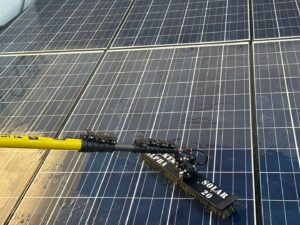
Clean solar panels directly translate to cleaner energy production—literally and figuratively. Over time, dirt, dust, bird droppings, and pollution settle on your array’s surface forming uneven patches known as hotspots. These aren’t just cosmetic blemishes; they actively reduce the efficiency of the photovoltaic cells by blocking sunlight.
When part of a panel heats disproportionately due to dirt buildup, it can lead to permanent damage, significantly shortening the lifespan of your investment.
Imagine a large commercial solar installation with hundreds or thousands of panels working day in and day out. Even minor soiling on each panel adds up to a substantial energy loss across the entire system. Studies have shown that dirty panels can underperform by as much as 30%, which means lost revenue for your business every day those panels are not clean.
This efficiency drop delays your return on investment (ROI) and increases operational costs without you realizing it.
Scheduled cleanings act like tune-ups for your solar investment, keeping output steady and protecting components from wear caused by micro-hotspots. Professional cleaning services use specialized tools and safe, eco-friendly solutions tailored for solar panels’ delicate surfaces.
Unlike DIY attempts that risk scratching or damaging panels, expert cleaners ensure optimal results while maintaining manufacturer warranties.
| Benefit | Impact |
|---|---|
| Improved Energy Output | Up to 30% increase in efficiency |
| Extended Panel Lifespan | Reduces risk of heat and dirt damage |
| Lower Maintenance Costs | Fewer repairs due to proactively managed soiling |
| Enhanced Return on Investment | Faster payback period from higher yield |
CommercialSolarClean.com highlights how integrating professional cleanings into routine maintenance maximizes energy yields while offering peace of mind through expert monitoring and care. They leverage industry-leading techniques aligned with the evolving durability and surface treatments of modern photovoltaic panels, ensuring cleaning is efficient yet gentle.
Beyond cleaning alone, many commercial systems now include smart monitoring technology that detects soil accumulation precisely. This allows service visits to be timed perfectly—avoiding unnecessary cleanings while ensuring no dip in performance goes unattended.
Such data-driven maintenance reduces operational expenses and supports sustainable asset management over decades.
“Regular professional cleaning is one of the simplest yet most impactful steps businesses can take to harness the full power of their commercial solar investments.”
Understanding these performance gains clearly makes professional panel cleaning not just a cost but an essential investment in your long-term energy strategy.
Maintaining spotless solar panels through expert cleaning unlocks significant efficiency boosts and financial benefits for commercial solar operations. Investing wisely in regular professional care protects your system’s value and powers consistent clean energy generation well into the future.